Rotherhithe Village removals guide for narrow street moves
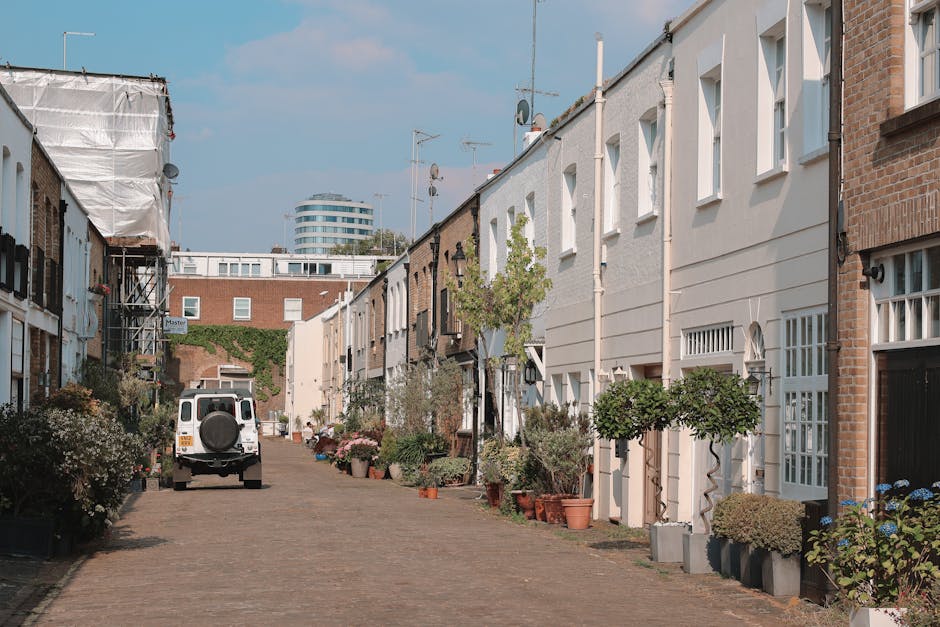
Moving in Rotherhithe Village can feel wonderfully local and, at the same time, a bit awkward in the practical sense. The streets are characterful, the parking can be tight, and a perfectly ordinary sofa suddenly becomes a planning problem. That is exactly why this Rotherhithe Village removals guide for narrow street moves exists: to help you move safely, efficiently, and without the usual last-minute scramble.
Whether you are leaving a compact flat near the river, moving into a converted building with a narrow stairwell, or trying to get a van close enough to the door without blocking everyone else in, the details matter. In this guide, you will find a realistic step-by-step approach, common mistakes to avoid, and the small decisions that make a big difference on moving day. It is practical stuff, but useful. Properly useful.
Why Rotherhithe Village removals guide for narrow street moves Matters
Rotherhithe Village is one of those London pockets where moving logistics can change from straightforward to fiddly very quickly. Narrow streets, limited waiting space, tight corners, and older property layouts all add pressure. A move that would be simple on a wider road can become slower, noisier, and more stressful here if you do not plan for access from the start.
The biggest issue is not usually heavy lifting. It is access. Can the van stop close enough? Can the crew load without blocking traffic? Will neighbours still be able to get in and out? Will the sofa fit through the hall without a small miracle? These are the questions worth asking early, because once moving day begins, there is not much appetite for improvisation.
That is also why choosing the right kind of move matters. For some homes, a standard van and a careful loading plan is enough. For others, you may need help that feels more like a proper man with van service with flexible positioning and efficient handling, or a fuller removal services approach for heavier furniture and multi-room loads. The point is not to overcomplicate things. The point is to match the move to the street.
Expert summary: In narrow streets, the most successful removals are rarely the fastest-looking ones. They are the best-prepared ones. Good access planning saves time, protects your belongings, and keeps the day calm enough that you can actually think.
How Rotherhithe Village removals guide for narrow street moves Works
At a practical level, a narrow-street move is a chain of small decisions. First, you assess access. Then you decide what vehicle size is realistic. After that, you plan loading order, parking position, carrying distance, and protection for walls, doors, and flooring. Nothing flashy. Just careful sequencing.
The process usually starts before moving day, ideally during the quotation stage. A good removal company will ask questions about street width, floor level, lift access, stair turns, and whether a van can wait outside. If you are comparing options, it can also help to look at removal companies that are used to London access problems rather than one-size-fits-all moves.
On the day itself, the sequence is usually simple:
- Arrive early enough to check the street and the best stopping point.
- Protect high-contact areas such as bannisters, door frames, and floor edges.
- Load bulky items first if they will block access later.
- Keep small boxes grouped and clearly labelled so they do not create a bottleneck.
- Move in stages if the street or building makes one continuous load unrealistic.
This kind of move works best when everyone understands the rhythm. You will notice that even ten minutes of planning at the kerb can save half an hour of awkward carrying later. And yes, that really does matter when the road is tight and the neighbour's car is parked exactly where nobody wanted it.
Key Benefits and Practical Advantages
There are some very real benefits to handling a narrow street move well. The first is obvious: less risk of damage. When the route from van to property is short, controlled, and protected, there is less chance of scraped furniture, chipped paintwork, or that horrible moment when a wardrobe catches on a corner and everyone winces in unison.
The second benefit is speed. Narrow streets punish indecision. If the crew knows where to park, what to take first, and how to stage items, the work flows. If not, the day drifts. A tidy plan often matters more than brute strength.
The third benefit is neighbour friendliness. Nobody enjoys being the person who blocks a whole lane while carrying a mattress. A considerate move keeps disruption down, which is especially useful in a residential pocket where people notice everything. To be fair, they usually do notice everything.
There is also a less obvious advantage: confidence. When you know the van size, access route, and loading order are sorted, you stop worrying about the unknowns. That calm tends to spread through the whole move. Even the kettle feels less stressful somehow.
- Reduced risk of furniture damage
- Shorter loading and unloading time
- Less disruption for neighbours and traffic
- Better protection for buildings with tight entrances
- More predictable moving costs and timing
Who This Is For and When It Makes Sense
This guide is for anyone moving in or around Rotherhithe Village where access is tighter than average. That could mean a ground-floor flat with a narrow frontage, a maisonette with steep internal stairs, a converted warehouse apartment, or a family home on a road where vans have to think before they turn. It also applies if your new place is technically close by, but the route between street and front door is more awkward than the map suggests.
It makes particular sense if you are handling:
- a one-bedroom or two-bedroom home move with limited parking space
- heavy furniture that needs careful handling through tight entrances
- a same-day move where time pressure is already high
- a move involving many boxes, fragile items, or awkward shapes
- a small business relocation with equipment that must be loaded methodically
If your move is simple and your access is open, you may not need a highly detailed plan. But in Rotherhithe Village, the simple-looking move often has a catch. That is the charm of older urban streets, I suppose. They keep you humble.
For business moves, the same thinking applies. A compact office or studio relocation may benefit from office removals or more tailored office relocation services if the access is narrow and equipment has to be handled in a sequence. It is the same principle: reduce congestion, reduce stress, reduce risk.
Step-by-Step Guidance
Here is the practical version. Not theory, not fluff. Just the sequence that tends to work best in narrow London streets.
1. Measure the access properly
Before you book anything, look at the street with a mover's eyes. Where can a van stop without blocking a junction? Is there space for doors to open? Are there bollards, low branches, or sharp corners? If possible, take photos of the route from van to front door, including stairs and hallway turns. You do not need a professional survey for every move, but you do need enough detail to avoid surprises.
2. Match the vehicle to the street
More space is not always better. A larger vehicle may reduce trips, but it can also make parking and manoeuvring harder. In some cases, a smaller removal van or flexible man and van arrangement is simply the smarter choice. That trade-off matters. A van that cannot park properly is not efficient, no matter how big it is.
3. Sort items by carrying difficulty
Put the awkward items near the top of your plan: wardrobes, beds, drawers, mirrors, large plant pots, exercise bikes, anything that likes to catch on door frames. Decide in advance whether they will be dismantled. If not, measure the narrowest points in the route. It sounds tedious. It is tedious. But it beats wrestling a sofa in a stairwell while someone quietly says, "It should fit."
4. Prepare the property before the van arrives
Clear hallways, remove loose rugs, protect corners, and keep essentials in one place. If there is a lift, check whether it is large enough for the biggest item. If there are shared entrances, let neighbours know the likely moving window. That little bit of communication goes a long way.
5. Load in a controlled order
Heavy and bulky furniture usually goes in first, followed by boxes that can be stacked neatly. Fragile pieces should not be buried where they can shift. Keep a clear walkway wherever possible. The aim is tidy density, not a game of removal Tetris.
6. Keep a buffer for access delays
In a narrow street, parking delays are common. A delivery van, a neighbour returning home, or a blocked driveway can slow things down. Build in a bit of slack. A realistic buffer is worth more than an optimistic schedule that collapses at the first obstacle.
7. Unload in the reverse order that supports the home layout
Place furniture in the rooms where it is easiest to manoeuvre, not necessarily where you intend to keep it forever. You can rearrange later. Moving a double wardrobe twice in one afternoon is, let's face it, nobody's favourite hobby.
Expert Tips for Better Results
In our experience, the most helpful improvements are often small. Nothing dramatic. Just the sort of thing that makes the day feel under control rather than slightly chaotic.
- Use colour-coded labels. It makes unloading quicker when rooms are tight and people are trying not to block one another in the hallway.
- Keep hardware in sealed bags. Screws, handles, and shelf pegs have a talent for disappearing at the worst possible moment.
- Wrap corners generously. Tight spaces punish exposed edges more than open ones do.
- Keep one "first night" box separate. Kettle, mugs, chargers, toiletries, change of clothes. The usual suspects.
- Book helpers who understand London access. A mover familiar with tight roads will think differently about loading position and timing.
It also helps to decide what you are not moving. A narrow-street removal is not the ideal moment to transport everything you have owned since university. Old, damaged, or low-value items can sometimes be removed separately, or disposed of responsibly through a service such as furniture pick up if that is the right fit for the item and condition.
One more thing: keep your phone charged. Sounds obvious, but on moving day the charge seems to evaporate faster than you would think. Strange little life detail, that.
Common Mistakes to Avoid
The good news is that most narrow-street problems are preventable. The less good news is that the same mistakes happen again and again.
- Assuming a bigger van is automatically better. Not always. Access may matter more than capacity.
- Failing to check parking early. If the van has nowhere sensible to stop, everything else gets harder.
- Leaving packing until the last evening. Rushing creates breakage, and breakage creates delay.
- Ignoring internal obstacles. Stair turns, low ceilings, narrow landings, and tight doors are often the real problem.
- Not telling movers about awkward items. If they do not know about the piano stool, the cot, or the oversized mirror, they cannot plan around it.
- Forgetting to protect the property. A few minutes of prep can prevent a very annoying repair bill.
Sometimes the mistake is emotional rather than logistical. People underestimate how tiring a tight move feels. It is not just lifting. It is decision-making under pressure, while the street hums around you and everybody seems to need the same patch of road. Be kind to yourself. Really.
Tools, Resources and Recommendations
You do not need a truckload of specialist gear, but a few practical tools make narrow-street moves much easier. The most useful things are the boring ones, honestly.
| Tool or resource | Why it helps | Best use in a narrow move |
|---|---|---|
| Fitted furniture blankets | Protects wood, lacquer, and corners | Stops chips when turning through tight hallways |
| Strong labels and marker pens | Keeps rooms and boxes organised | Speeds unloading when space is limited |
| Furniture sliders or dollies | Reduces friction and strain | Helpful on smooth floors and short routes |
| Tool kit | Allows quick dismantling and reassembly | Useful for beds, tables, and shelving |
| Phone camera | Documents access, furniture condition, and route | Great for planning and peace of mind |
If you are comparing professional help, a wider search can be useful too. Some people start with removals near me when they want a local team that understands the streets already. Others prefer a specific removal services page because they know they need more than just a van and a pair of hands.
For packing help, a service such as packing and unpacking services can be a very sensible choice if you are short on time or dealing with fragile household items. It takes the pressure off the day itself, which is often where narrow-access moves become messy.
Law, Compliance, Standards, or Best Practice
For most residential moves, the key is not complex law but sensible practice. Still, a few areas deserve attention. Vehicles should be parked and loaded in a way that does not create unnecessary danger or obstruction. Access routes should be kept clear enough for safe carrying. If the move involves shared entrances, fire exits, or communal areas, those spaces need to stay usable and unobstructed.
It is also best practice to check insurance and safety arrangements before moving heavy items. Reputable movers should be clear about how they handle damage risk, what cover applies, and what their working methods are. That is one reason people often review insurance and safety information before booking. It is not glamorous reading, no, but it matters.
From a customer perspective, understanding terms and expectations is helpful too. Things like access conditions, waiting time, item preparation, and payment timing should be understood early. If you want a clearer picture of how a provider handles service expectations, reading the terms and conditions is a sensible habit.
For anyone who cares about responsible disposal, moving is also a good moment to think about reuse and waste reduction. If an item no longer serves you, and it is still usable, passing it on or arranging a responsible collection can be the cleaner choice. A service with a recycling and sustainability focus is worth considering when decluttering before a move.
Options, Methods, or Comparison Table
There is no single correct way to approach a narrow-street move. The best choice depends on item volume, access, and how much help you want on the day.
| Method | Best for | Pros | Trade-offs |
|---|---|---|---|
| Self-move | Very small loads and simple access | Lower upfront cost, full control | Hard work, more time, more risk if access is tricky |
| Man and van | Compact flat moves, local relocations, awkward parking | Flexible, efficient, suited to tight roads | May require more organisation from you |
| Full removal service | Larger homes, heavy furniture, time-sensitive moves | More support, better for complex logistics | Usually costs more and needs clear planning |
For many Rotherhithe Village streets, the middle option is the sweet spot. A good man with van removal style service can offer the flexibility of a smaller vehicle with enough support to keep loading under control. If the property is larger, a broader house removals approach may make more sense. The right answer really depends on the shape of the move, not just the address.
Case Study or Real-World Example
Picture a typical move from a two-bedroom flat near a narrow residential road in Rotherhithe Village. The hallway is tight, the stairs turn sharply at the landing, and the street outside leaves just enough room for one vehicle to stop without causing a nuisance. Nothing impossible, but definitely not casual.
The family breaks the move into three stages. First, they clear the hallway and move small boxes into one room. Second, they dismantle the bed frame and remove the legs from the dining table. Third, they book a van size that can park with minimal overhang and ask for help with the heavier pieces. The movers arrive, check the route, wrap the sofa corners, and load the furniture in the order it will be needed at the other end.
Because the crew has a plan, the loading period is controlled rather than frantic. The van is not blocked by loose bags. The hall is not full of half-open boxes. The whole move still feels like a move, obviously, but not a chaotic one. That is the difference. It is not magic, just sequencing, patience, and a realistic view of the street.
By the end of the day, they are not exhausted from fighting the layout. They are tired in the normal way, which is much more manageable. And the first cup of tea in the new place tastes better for it. Funny how that happens.
Practical Checklist
Use this checklist before moving day. It will not solve everything, but it will stop the silly oversights.
- Measure the route from van to property entrance.
- Check whether the van can stop legally and safely.
- Photograph stairs, corners, lifts, and any awkward access points.
- Dismantle large furniture where possible.
- Pack fragile items separately and label them clearly.
- Protect floors, corners, and bannisters.
- Confirm whether parking or waiting time could be an issue.
- Tell movers about oversized or fragile items in advance.
- Keep a first-night box easy to reach.
- Plan the unloading order room by room.
If you are moving a whole house rather than a small flat, you may also want to compare the support level offered by house movers or house removalists so you can decide whether you need extra hands. There is no prize for doing the hardest version of the move the hard way.
Get a free quote today and see how much you can save.
Conclusion
A narrow-street move in Rotherhithe Village does not have to be stressful. It does need planning, yes, but the planning is mostly common sense: know the access, match the van to the street, pack in a sensible order, and keep the route clear. The more precise you are before the van arrives, the calmer the day feels once the doors start opening and closing.
If you remember only one thing, let it be this: in tight London streets, logistics beat guesswork every time. A careful move protects your belongings, reduces disruption, and gives you a much better start in your new place. And that first quiet moment after the last box is inside? Worth it. Absolutely worth it.
Frequently Asked Questions
What makes Rotherhithe Village removals different from a normal house move?
The main difference is access. Narrow streets, tighter parking, and older property layouts can slow loading and unloading, so the move needs better planning than a standard suburban relocation.
Is a man and van service enough for narrow street moves?
Often, yes. For smaller loads or local moves, a flexible vehicle and careful loading plan can be ideal. If you have a larger property or heavier furniture, a fuller removal setup may be better.
Should I choose a smaller van for a narrow street?
Usually, a smaller van is easier to position and may reduce stress on tight roads. The best choice depends on how much you are moving, but access should always influence the decision.
How early should I plan a narrow street move?
As early as possible. Even a short move can benefit from early measurements, photos, and a proper discussion about parking, carrying distance, and difficult furniture items.
What if the van cannot park directly outside?
That is common in narrow streets. A good team will plan for a short carrying distance or a safe alternative stopping point. It may slow things slightly, but it does not have to derail the move.
Do I need to dismantle furniture before moving day?
For bulky items, usually yes. Beds, large tables, and some wardrobes are much easier to move when partially dismantled, especially if there are tight turns or narrow staircases.
How can I protect walls and floors during the move?
Use blankets, corner protection, and clear walkways. Remove loose rugs and anything else that could slide. In tighter spaces, small contact points cause the most damage, so prevention matters.
Is it worth using packing and unpacking services?
It can be very worthwhile if you are short on time, moving fragile items, or dealing with a lot of boxes. It also helps keep the move itself more organised.
What should I tell my movers before the day?
Tell them about parking limits, stair turns, lifts, oversized furniture, fragile items, and any shared access issues. The more they know, the better they can plan.
How do I compare removal companies for a narrow street move?
Look for experience with local access problems, clear communication, and realistic planning. A company that asks the right questions early is usually a better fit than one that sounds overly casual about tight spaces.
Can I reduce the cost of a narrow street move?
Yes, often by preparing well. Dismantling furniture, labelling boxes clearly, and making access details easy to understand can reduce wasted time and avoid extra handling.
What is the biggest mistake people make in these moves?
Assuming access will somehow work out on the day. It usually does not. Checking the street, parking, and internal route in advance saves more trouble than almost anything else.