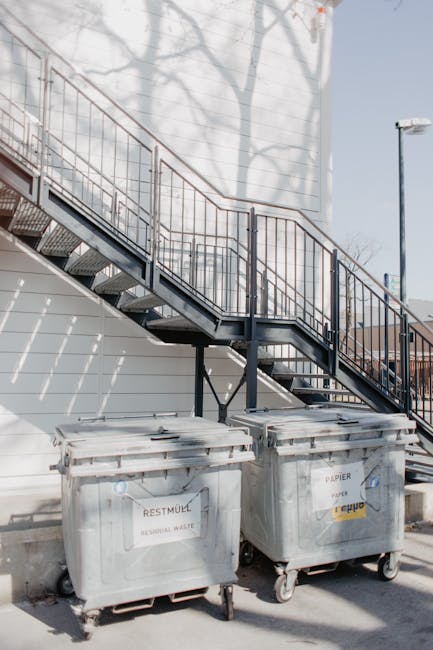
Waste Disposal Rules in SE16 -- Southwark Council Guidance
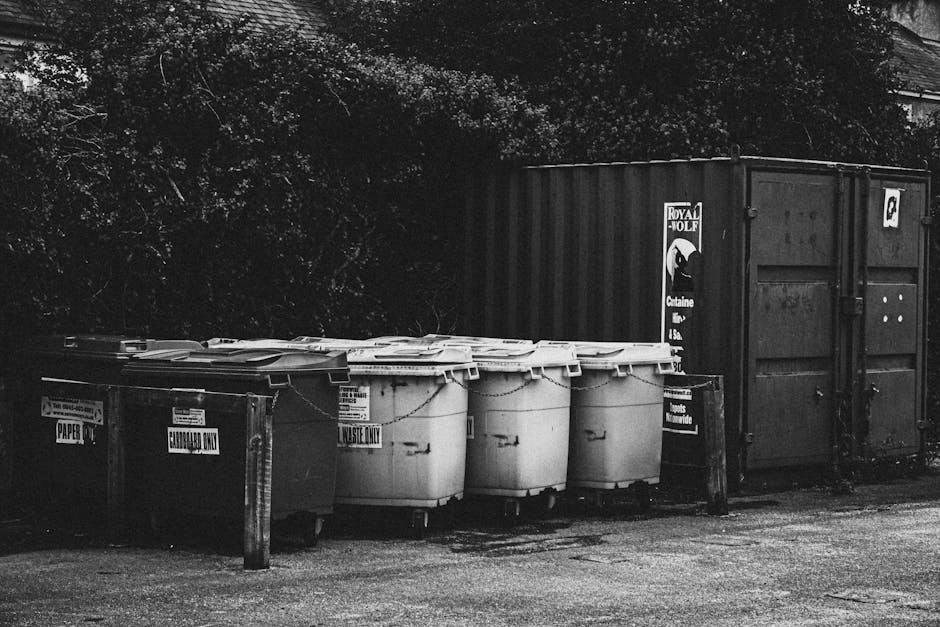
If you live, move, or run a property in SE16, waste can become awkward faster than anyone expects. One minute you are clearing a cupboard, the next you are staring at a broken chair, old paint tins, and a pile of boxes wondering what is actually allowed. This guide to Waste Disposal Rules in SE16 -- Southwark Council Guidance walks you through the practical side of getting rid of household, bulky, and move-related waste without creating problems for yourself or your neighbours. It is written for real life: flats, tight stairwells, busy streets, missed bin days, and all the little headaches that come with them.
To make things simpler, you will also find a step-by-step approach, common mistakes to avoid, and a few smart ways to save time. If you are planning a move, the advice here pairs neatly with decluttering before a big move and getting the property properly cleaned out before handover. Let's keep it clear, useful, and very SE16.
Why Waste Disposal Rules in SE16 -- Southwark Council Guidance Matters
Waste disposal sounds simple until you try to do it in a London borough with shared bins, restricted access, and neighbours who are definitely watching the hallway. In SE16, following Southwark Council guidance matters because a wrong move can lead to fly-tipping complaints, blocked communal areas, rejected collections, or a trip back downstairs with the same bulky item you were trying to remove in the first place. Nobody enjoys that. Not even a little.
There is also a wider point here. Proper disposal protects local streets, keeps shared spaces usable, and reduces the chance of pest issues or contamination from mixed rubbish. In apartments and converted houses especially, waste left in the wrong place tends to become everybody's problem. A mattress in the entrance hall at 8 a.m. is not just inconvenient; it is a fire risk, an access issue, and usually a very fast route to friction with the managing agent.
If you are moving home, this becomes even more important. People often focus on boxes and transport but forget the leftover waste. A few bags of rubbish, broken shelving, or unusable furniture can turn into a last-minute scramble. That is why a bit of planning around disposal pays off. Truth be told, it is one of those boring tasks that saves you a lot of stress later.
Expert summary: In SE16, the safest approach is to sort waste early, separate reusable items from rubbish, keep communal areas clear, and choose the disposal route that matches the item type. Small steps, but they prevent most avoidable headaches.
How Waste Disposal Rules in SE16 -- Southwark Council Guidance Works
The basic idea is straightforward: different kinds of waste need different handling. General household rubbish usually goes into your normal domestic collection, while bulky items, electrical goods, garden waste, and hazardous materials may need separate arrangements. Some waste can be recycled; some must be treated as special waste; some should never be left beside a communal bin. The practical challenge is knowing which is which before you lift the item outside.
For most SE16 residents, the main questions are:
- Can this go in the regular bin?
- Does it need to be broken down first?
- Is it recyclable, reusable, or classed as bulky waste?
- Does it contain anything hazardous or sharp?
- Will leaving it in a shared area create a problem?
Once you answer those questions, the rest becomes much easier. For example, flattened cardboard is normally much easier to manage than a full box full of loose packaging. Likewise, a clean wardrobe without drawers is easier to handle than a damp sofa that has been sitting in a cellar. Small distinction, huge difference.
If the item is part of a move, it can help to think in layers. First, reuse. Second, recycle. Third, dispose. That order keeps costs down and usually makes the whole process feel less wasteful. For items you are unsure about, a sensible habit is to keep them separate until you have decided. Mixing unknown waste into bags at the last minute is how people end up with contamination problems.
In busy SE16 streets, access can also influence your disposal plan. Narrow entrances, shared lifts, limited loading space, and parking pressure all matter. If you need to move waste through a tight block, careful timing and clear communication are worth more than brute force. As a side note, a lot of the stress is not the waste itself but the logistics around it. The hallway, the stairs, the car park, the lift-those are where plans go sideways.
Key Benefits and Practical Advantages
Following the right waste disposal approach in SE16 is not just about avoiding trouble. It brings real practical benefits, especially during a move or property clear-out.
1. Less clutter and faster progress
Once unwanted items are sorted, every other task gets easier. Packing is simpler. Cleaning is simpler. Even measuring up rooms feels more manageable when you are not stepping around old furniture or half-filled bags.
2. Better compliance and fewer disputes
When waste is handled properly, there is less chance of complaints from neighbours, landlords, caretakers, or building managers. That matters in shared blocks where communal responsibility is taken seriously.
3. More efficient use of space
SE16 homes often deal with tight storage and compact layouts. If you clear non-essential items early, you free up physical and mental space. It sounds a bit fluffy, but it is true. You notice the difference immediately.
4. Safer moving conditions
Loose waste, broken packaging, sharp edges, and overloaded bins create trip hazards. If you have ever tried carrying a wardrobe past a stack of bin bags on a wet pavement, you know exactly how awkward that gets. Not ideal.
5. More opportunity to reuse or recycle
Sorting waste properly gives you a better chance of passing on usable items or recycling the right materials. That can reduce costs and make the whole process feel more responsible.
For movers, there is another big advantage: waste removal and moving tasks can be planned together. If you are already working through a stress-free house transition, disposal should be part of the same plan, not something left for the final hour. That is when people end up panic-loading their boot at 10 p.m., which is never the dream.
Who This Is For and When It Makes Sense
This guidance is useful for a wide mix of people in SE16. You do not need to be moving house to benefit from it, although moving is one of the most common times waste problems show up.
- Homeowners clearing lofts, garages, or spare rooms
- Renters dealing with end-of-tenancy waste and leftover items
- Landlords and letting agents managing property turnover
- Students leaving shared accommodation and sorting mixed waste quickly
- Families replacing furniture or appliances
- Small businesses and offices disposing of old paperwork, fixtures, or equipment
- Anyone with bulky items that will not fit normal household collections
It also makes sense when you have a mixed bag of waste types. A classic example is a move-out week: old shelves in one pile, broken packaging in another, an unused printer in the corner, and three bags of general rubbish that nobody wants to look at. That is exactly when having a disposal plan saves time.
Students in particular often leave disposal until the final day. Understandable, but messy. If that sounds familiar, it is worth looking at student removals support in Rotherhithe alongside your rubbish plan so you are not trying to do everything at once.
Step-by-Step Guidance
Here is a practical way to handle waste disposal in SE16 without overcomplicating things.
- Walk through the property room by room. List what needs to go, what can be reused, and what might need special handling. Be honest with yourself here. That drawer unit you "might use again" probably has no future.
- Separate waste by type. Keep general rubbish, recyclable items, electrical goods, bulky furniture, and hazardous items apart from the beginning.
- Check whether anything can be donated or repurposed. Good-condition furniture, books, or household items may be better passed on than thrown away.
- Break down what you safely can. Flat-pack furniture, cardboard, and some frames are often easier to manage once dismantled.
- Protect yourself and the property. Use gloves, clear walkways, and avoid dragging sharp or heavy items across floors.
- Plan disposal timing. Try not to leave waste outside too early or in a communal area longer than necessary.
- Use the right disposal route. Normal household waste, bulky collections, and specialist handling all serve different jobs.
- Do a final sweep. Check cupboards, balconies, under beds, and behind doors. That last look often catches the forgotten bits.
If your disposal plan is tied to a move, timing matters even more. Items you no longer want should be removed before the main moving day where possible. That way the last push is cleaner and safer. It is also useful to schedule your packing around what is staying and what is going. For guidance there, packing for a smoother home move is a strong companion topic.
Expert Tips for Better Results
Here are the habits that usually make the biggest difference in SE16.
- Sort early, not late. Waste always looks bigger on the final evening. Funny how that works.
- Keep one "uncertain" pile separate. If you are unsure whether something is recyclable or bulky waste, do not throw it into the nearest bag and hope for the best.
- Use boxes for small mixed items. Loose screws, cables, and small fittings tend to disappear into black bags and create confusion later.
- Avoid overfilling bags. Overstuffed sacks tear, spill, and make lifting harder than it needs to be.
- Protect lifts and hallways. In flats, this is not optional. A scratched lift panel or dirty landing can create immediate problems.
- Think in terms of access. If an item will be awkward on stairs or through a narrow landing, measure first. A quick check saves a lot of huffing and puffing.
- Use the right equipment. Gloves, straps, trolley access, and suitable containers are worth it for heavier loads.
One practical observation from moving day reality: the waste that causes the most trouble is often not the heaviest item, but the most awkward one. A wobbly bookcase, a cracked mirror, a damp mattress, a loose stack of old boxes-these are the things that turn a tidy plan into a frustrating shuffle. If that sounds familiar, you are not alone.
And yes, sometimes the smartest move is simply to call in help before it becomes a Saturday you regret.
Common Mistakes to Avoid
Most disposal problems in SE16 come from the same handful of mistakes. Avoid these and you will be ahead of the pack.
- Dumping waste in communal areas. Even if it feels temporary, it can create obstruction, complaints, and possible removal issues.
- Mixing different waste types. Recyclables, electricals, and general rubbish should not all go into one random pile.
- Leaving bulky items out too early. This is one of the quickest ways to attract complaints, weather damage, and mess.
- Ignoring item condition. Wet or broken items may need different handling than clean, reusable ones.
- Underestimating lifting risk. Heavy waste is still heavy waste, even if it is "just an old chair."
- Forgetting building rules. Some blocks have very specific expectations around common areas and collection timing.
- Assuming one method fits all. It rarely does, especially when a move includes furniture, packaging, and broken odds and ends.
If the waste is part of a larger removals job, make sure you are not creating extra costs by rushing. A clearer plan often means a cheaper, smoother move overall. That is why reading a pricing guide for removals can be surprisingly helpful before you book anything.
Tools, Resources and Recommendations
You do not need a warehouse full of kit. A few sensible tools go a long way.
- Heavy-duty bin bags for general rubbish and lightweight mixed waste
- Cardboard boxes for small loose items and sorted materials
- Gloves to handle sharp, dusty, or dirty waste safely
- Tape and labels to mark boxes by waste type or room
- Marker pen for quick item identification
- Hand trolley or sack truck for awkward loads
- Straps or bungees to keep loose items secure during transport
- Cleaning cloths for any spillages or dust left behind
On the planning side, a short written checklist is often better than trying to remember everything in your head. And if you are juggling furniture, packing, and access issues, it can help to look at broader moving support such as the full services overview, especially if you want the disposal side and the move itself to line up properly.
For larger or more fragile items, a bit of specialist care is sensible. A piano, for instance, is not something to improvise with; neither is antique furniture. If your clear-out includes something valuable or unusual, read up on professional piano moving and moving antique furniture without damage before taking risks.
Law, Compliance, Standards, or Best Practice
Waste disposal in Southwark should always be handled with care and in line with the rules that apply to your property, waste type, and local collection arrangements. Without getting lost in legal jargon, the main principle is simple: waste must not be dumped, abandoned, or placed where it creates an obstruction or a nuisance. That includes pavements, communal hallways, shared gardens, and entrance areas unless a proper collection arrangement exists.
There is also a practical duty to separate hazardous or special items from ordinary rubbish. Things like broken electronics, paint, solvents, batteries, and sharp waste should be handled more carefully than general household bags. If you are not sure whether something is classed as hazardous, it is better to pause and check than to assume. That tiny pause can save a major mess.
Best practice in SE16 usually includes:
- keeping shared spaces free from waste build-up
- using approved collection methods for bulky or special items
- sorting recyclable materials properly
- storing waste securely until collection
- making sure items do not create safety hazards for residents or staff
For many residents, the most useful compliance tip is also the least glamorous one: do not leave rubbish where someone else has to move it for you. If a building manager, cleaner, or neighbour has to intervene, you are already into problem territory. A little courtesy goes a long way. So does a sensible plan.
Options, Methods, or Comparison Table
Different disposal methods suit different situations. Here is a simple comparison to help you choose the most practical route.
| Method | Best for | Strengths | Limitations |
|---|---|---|---|
| Regular household bin collections | Everyday rubbish, small mixed waste | Convenient, familiar, low effort | Not suitable for bulky or special items |
| Sorting for recycling | Cardboard, some packaging, clean recyclables | Responsible, efficient, often space-saving | Requires proper separation and clean materials |
| Bulk item removal | Furniture, mattresses, large broken items | Handles awkward loads, reduces clutter quickly | May need booking and clear access |
| Reuse or donation | Usable furniture, appliances, household goods | Can reduce waste and help others | Only works if items are in suitable condition |
| Specialist handling | Electronics, hazardous items, fragile valuables | Safer for regulated or delicate waste | Needs careful identification and planning |
In real life, the best approach is often a mix. A move-out clear-out might involve reuse for one sofa, recycling for the cardboard, bulk removal for the broken wardrobe, and normal collections for the small household rubbish. That blended approach is usually the most efficient, even if it looks a bit messy on paper.
If you need help with particularly large or awkward household items, you may also find bulky waste removal options and fees useful before deciding how to proceed.
Case Study or Real-World Example
Picture a common SE16 scenario: a second-floor flat with a narrow staircase, a move-out deadline on Friday, and a pile of mixed waste gathering in the spare room. There is an old desk with a broken leg, a mattress that has seen better days, several bags of packaging, and a box of random cables that nobody wants to own. The temptation is to put everything in one corner and deal with it later. Later, of course, never arrives cleanly.
Instead, a practical approach would look like this. On day one, the resident separates the usable items from waste. A bedside table is cleaned and kept for the new place. The cardboard is flattened. The cables are boxed separately. The old desk is dismantled where safe. The mattress is flagged for bulk handling. By day two, the flat is less crowded, the moving path is clear, and the final clean is much quicker.
What changed? Not the amount of work, really. Just the order of it.
That is the part people often miss. Waste management is not only about disposal; it is also about reducing friction around the rest of the move. If you are carrying boxes through a stairwell, every unnecessary item left in the way adds effort. If you are driving or loading on a tight schedule, waste left until the end tends to become the thing that causes the delay.
For a move with tighter timing, it can be worth combining disposal with a same-day or fast-response plan. In that case, same-day removal help in Rotherhithe may be a better fit than leaving everything to chance.
Practical Checklist
Use this checklist before you put anything out for collection or take it to the next stage.
- Have I sorted waste into general, recyclable, bulky, and special items?
- Is anything reusable, donate-worthy, or worth keeping?
- Have I flattened boxes and broken down safe-to-dismantle furniture?
- Are there any hazardous materials that need separate handling?
- Have I kept communal areas clear and safe?
- Do I know when and where the waste can be collected or moved?
- Have I protected floors, lifts, and doorways during movement?
- Do I have gloves, bags, tape, and labels ready?
- Have I checked for any hidden items in cupboards, drawers, or under furniture?
- Is the waste plan aligned with my moving schedule or end-of-tenancy deadline?
If you want a calmer moving week, it helps to build this checklist into your packing routine. Small admin now, fewer surprises later. And yes, the odd forgotten charger will still appear from nowhere, because that is just how homes behave.
Conclusion
Waste disposal in SE16 is easier when you treat it as part of the move, not an afterthought. Once you separate items properly, keep shared spaces tidy, and choose the right disposal route for each type of waste, most of the stress drops away. That is the real win here: fewer delays, fewer complaints, and a cleaner finish at the end of a busy week.
Southwark Council guidance is there to help you keep things safe, sensible, and manageable. In practical terms, that means thinking ahead, sorting early, and not leaving awkward items to become a last-minute problem. If you do that, you are already ahead of most people. Honestly, by a fair bit.
For a smoother move, it also helps to think about the wider picture: packing, furniture handling, access, and the little bits of waste that build up along the way. When those parts are planned together, the whole job feels much less chaotic. And that is worth a lot on a rainy London afternoon when the stairwell smells faintly of cardboard and dust and everyone just wants it over with.
Get a free quote today and see how much you can save.
Frequently Asked Questions
What is the easiest way to follow waste disposal rules in SE16?
The easiest way is to sort waste early by type, keep recyclable and bulky items separate, and avoid leaving anything in communal spaces unless you know it is permitted. A simple checklist usually prevents most problems.
Can I leave bulky waste next to the bin area in my block?
Usually not unless there is a clear collection arrangement in place. In shared buildings, items left beside bins can block access and lead to complaints or removal issues. It is safer to check first.
What counts as bulky waste?
Bulky waste is generally large household items that will not fit in normal bins, such as sofas, mattresses, wardrobes, tables, or similar awkward items. If it needs two hands and a bit of huffing, it is probably bulky enough to treat separately.
Do I need to separate recyclable items from general waste?
Yes, where possible. Cardboard, clean packaging, and other recyclable materials should be kept apart from mixed rubbish to avoid contamination and make disposal more efficient.
What should I do with old furniture during a move?
Check whether it can be reused, donated, or removed as bulky waste. If the furniture is in good condition, reuse is often the smartest route. If it is broken or unsafe, arrange removal before moving day.
How do I handle waste if I live in a flat with shared hallways?
Keep waste inside your own space until collection or removal is ready. Shared hallways should stay clear, especially in blocks where access and fire safety matter. That bit really does matter.
What if I have electrical items to dispose of?
Electrical items should not be mixed casually with ordinary rubbish. Keep them separate and handle them more carefully, especially if they contain batteries, wires, or damaged parts.
Is it better to dispose of waste before or after moving?
Before moving is usually better. The fewer unwanted items you have on moving day, the easier packing, loading, and cleaning become. It also reduces the chance of last-minute stress.
What are the most common disposal mistakes people make in SE16?
The biggest mistakes are dumping waste in communal areas, mixing waste types, leaving bulky items out too early, and underestimating the time needed to sort everything properly.
Can waste disposal be combined with removals?
Yes, and that is often the most efficient approach. If you are already arranging transport for a move, it makes sense to plan bulky items, leftover rubbish, and packing waste at the same time.
How can I reduce waste before moving house?
Declutter room by room, separate keep, donate, recycle, and dispose piles, and be realistic about what you actually use. If you want a stronger system, a good decluttering plan can make the whole move much lighter.
What should I do if I am unsure whether something is hazardous?
Do not guess. Keep it separate and handle it cautiously until you know the correct route. When in doubt, slower and safer is always better than trying to be clever and creating a mess.
Where does packing fit into waste disposal planning?
Packing and disposal should happen together. As you pack, you will uncover broken items, spare cables, old packaging, and things you no longer want. Sorting those early keeps the move organised and prevents confusion later.
Is professional help worth it for waste disposal during a move?
If you have bulky items, limited access, or a tight deadline, yes, it can be worth it. Professional help is especially useful when stairs, lifts, or awkward furniture make the job more demanding than it first looks.
If you are trying to line up disposal with a move, the practical next step is simple: map out what stays, what goes, and what needs special handling. Once that is clear, everything else gets easier. A little less chaos, a lot more control.