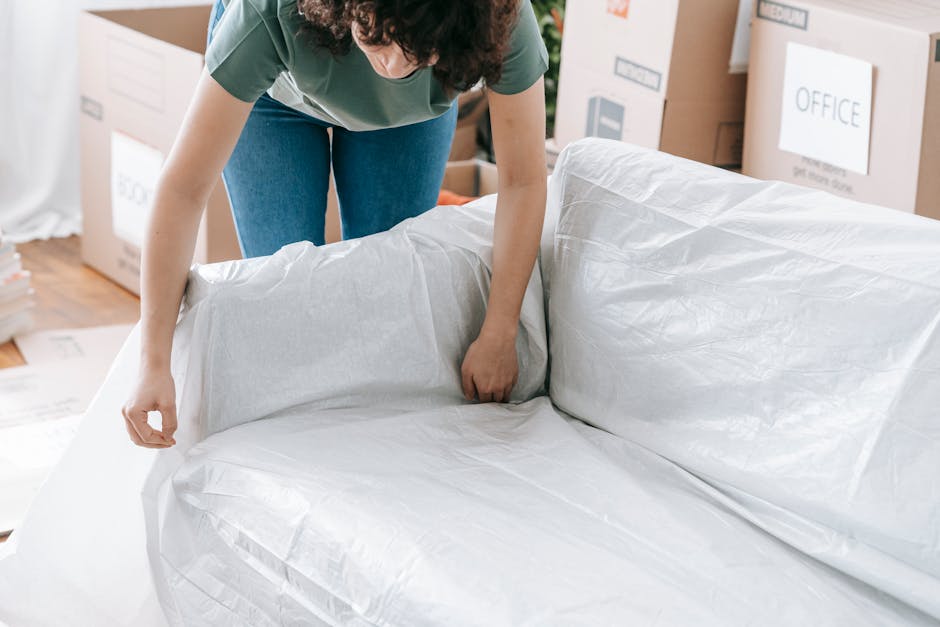
Moving Antique Furniture in Rotherhithe Without Damage
Antique furniture is unforgiving. One awkward turn on a stairwell, one dry patch of wood, one rushed lift, and suddenly a piece that has survived decades looks tired or cracked. If you are planning moving antique furniture in Rotherhithe without damage, the goal is not just to get items from A to B. It is to preserve finish, joints, veneer, value, and, frankly, the stories attached to them.
Rotherhithe brings its own moving realities too. Tight hallways, older conversions, basement steps, shared entrances, parking pressure, and the occasional awkward corner can make a careful move feel a bit like a puzzle. The good news? With the right preparation, method, and a calm approach, antique pieces can be moved safely. This guide walks through the practical steps, common risks, and the kind of judgement that really matters on moving day.
Why Moving Antique Furniture in Rotherhithe Without Damage Matters
Antique furniture is different from modern flat-pack or contemporary timber pieces. It often has hand-finished surfaces, older joinery, fragile legs, delicate mouldings, and finishes that can mark easily. Some pieces are structurally robust but cosmetically sensitive. Others look solid until the first lift reveals how much hidden wear there really is. That is why careful handling matters so much.
In practical terms, damage is not always dramatic. A tiny chip on a carved edge, a scuff along a polished side, or a loosened joint can be enough to reduce usefulness or affect value. With antiques, a move should never be treated as a brute-force task. To be fair, a lot of moving damage happens before anyone notices a problem. It shows up later, when drawers stick, veneer lifts, or a leg wobbles just enough to be annoying.
Rotherhithe adds a local layer to that risk. Older properties, compact entrances, shared staircases, and stop-start traffic around SE16 can all increase handling time. More handling time means more chances for a slip, a bump, or a rushed decision. A careful move reduces those chances in a very direct way.
Expert summary: antique furniture is best moved with less force, more planning, and more protection than standard household items. The most expensive mistake is usually not the lift itself; it is the lack of preparation before the lift begins.
If you are also sorting out a wider home move, it can help to read about decluttering before a bigger move and packing for a smoother home move. Both are useful because antique items tend to benefit from a slower, cleaner, more deliberate moving plan.
How Moving Antique Furniture in Rotherhithe Without Damage Works
A safe antique move usually follows a simple principle: reduce stress on the item at every stage. That means measuring properly, preparing access routes, protecting surfaces, choosing the right lifting method, and keeping movement controlled. It sounds straightforward. In practice, the detail is where the difference lies.
The process normally begins with assessment. What is the item made of? Is it solid wood, veneer, marquetry, painted wood, or a mixture? Are the legs fixed or removable? Are there glass sections, loose handles, or drawers that can shift mid-move? Does the piece flex when lifted? These small observations tell you how the item should be wrapped, carried, and loaded.
Next comes access. In many Rotherhithe homes, the route matters as much as the item. A large sideboard may fit through a doorway only if it is angled carefully. A wardrobe might need doors removed. A dining table may be safer moved on its side with corner protection rather than kept upright. The route should be cleared before any lifting begins, even if that means removing a lamp, a mat, or a mirror for ten minutes. Those ten minutes save headaches later.
Then comes the actual handling. Good antique moving is controlled, not fast. Heavy items are supported from the strongest points, not the prettiest ones. Fragile details are protected separately. If a piece is especially awkward, it is often better to split the move into stages instead of forcing a direct carry. A slow corner turn is almost always safer than a heroic shuffle. Let's face it, heroics are overrated when you are carrying someone's 80-year-old cabinet.
Finally, loading and unloading must be planned too. A properly packed van should prevent items from shifting, rubbing, or leaning under braking. That is one reason an appropriate removal van in Rotherhithe matters more than people expect. The van is not just transport. It is part of the protection system.
Key Benefits and Practical Advantages
The obvious benefit is avoiding visible damage, but there is more to it than that. Moving antique furniture carefully also helps protect hidden joints, preserve structural integrity, and reduce the chance of future repair bills. A piece that has not been stressed during transit is less likely to become loose, rickety, or unstable later on.
- Preserves value: original finish, patina, and craftsmanship are kept intact for longer.
- Reduces repair needs: careful handling lowers the chance of post-move restoration work.
- Saves time on the day: a clear plan avoids repeated lifting and awkward re-positioning.
- Improves safety: antiques can be heavy or unbalanced, so better handling helps protect people as well as furniture.
- Makes insurance conversations easier: documented care and sensible packing show that the move was managed properly.
There is also a quieter benefit: peace of mind. If you have inherited a cabinet from a relative, or you have spent years restoring a side table, the emotional value can be bigger than the market value. Moving it safely is about respect. That sounds a bit sentimental, maybe, but it is true.
When a move is part of a wider transition, choosing the right support can make the whole thing feel lighter. Services such as furniture removals in Rotherhithe or broader removal services in Rotherhithe are often a better fit than trying to improvise with a borrowed van and a couple of blankets.
Who This Is For and When It Makes Sense
This approach is for anyone moving furniture that is old, fragile, decorative, awkwardly shaped, or emotionally important. That includes people with inherited pieces, collectors, landlords furnishing period flats, and families relocating items between homes. It also suits anyone moving in or out of Rotherhithe where stairs, narrow corridors, or parking constraints make the process a bit more delicate.
It makes particular sense if:
- the item has veneer, inlay, carved detail, or painted finishes;
- the piece is too large for a straight carry;
- you are moving through a flat, maisonette, or property with tight stair access;
- the item has sentimental or financial value that would be hard to replace;
- you do not want to risk DIY damage or strain injuries;
- you need the move to happen alongside other furniture or household items.
If your situation also involves a larger transition, it can help to compare options like house removals in Rotherhithe and flat removals in Rotherhithe. Antique furniture often behaves differently in each setting. A first-floor flat with a tight turn is a different challenge from a ground-floor move, even if the furniture is identical.
There is also a decision point around urgency. If you are dealing with a sudden move-out deadline, you may need to think about same day removals in Rotherhithe. That can work, but only if the antique items are assessed properly before anyone starts lifting. Speed should never outrun care. Never.
Step-by-Step Guidance
Here is the practical workflow we would recommend for a careful antique move. It is not complicated, but each step matters.
-
Inspect the furniture closely.
Look for loose joints, chipped veneer, cracked legs, missing screws, and parts that flex under pressure. Open drawers and doors. If a drawer slides freely, secure it before moving. A quick inspection now often prevents a bigger problem later.
-
Measure the item and the route.
Check door widths, stair turns, ceiling heights, landings, and external access. People often measure the furniture but forget the route. That is usually where the problem lives, to be honest.
-
Decide whether the piece should be dismantled.
Remove legs, shelves, mirrors, handles, or glass only if doing so will genuinely reduce risk. If you do dismantle, keep all fittings in labelled bags and photograph how everything fits together before you start.
-
Wrap and protect correctly.
Use soft blankets, padded wrap, and corner protection. Avoid letting tape touch delicate finishes. For polished or lacquered surfaces, the wrong tape can do more harm than the move itself.
-
Clear the path.
Move rugs, side tables, bins, plants, and anything else that could catch a foot or a leg of furniture. In a narrow hallway, even a shoe on the floor becomes a problem. You will notice this very quickly once the item is in motion.
-
Lift with control, not speed.
Use a steady count, keep the item balanced, and move in short stages. If two people are handling the piece, communicate clearly. If it starts to tilt, stop and reset rather than trying to save it with a rushed twist.
-
Load the van securely.
Place the antique piece where it will not slide, rub, or bear unwanted pressure. Keep heavier items low and supported. Use straps if appropriate, and leave space for cushioning rather than packing everything too tightly.
-
Unload with the same care at the destination.
Damage often happens at the end, when people are tired and ready to be done. Slow down for the final carry. It is the last 20 metres that can undo an otherwise careful job.
If you are still refining your wider moving plan, the guidance in a stress-free house transition is worth a look. It helps keep the whole process organised, which matters more than people think.
Expert Tips for Better Results
Below are the small details that often separate a clean move from a stressful one. They are not dramatic, but they are genuinely useful.
- Photograph everything before wrapping. If a fitting comes loose, or you need to reassemble later, you will be grateful for the record.
- Dust before packing. Tiny grit particles can scratch polished surfaces during transit. A soft cloth now is better than a polish later.
- Use breathable protection where possible. Some antiques do not like being sealed in plastic for long periods, especially if they are being stored.
- Protect the feet and corners first. Those are the first points to hit door frames and stair edges.
- Don't over-tighten straps. Secure is good. Crushing pressure is not.
- Plan for rest breaks. An exhausted team makes mistakes. In a hot hallway or a long stair climb, a one-minute pause can be smart, not lazy.
A useful rule of thumb: if a piece feels awkward to lift in your lounge, it will feel worse on the stairs. That is the moment to slow down, re-plan, or call in proper help. There is no prize for making it harder than it needs to be.
For heavier items more generally, the ideas in kinetic lifting and solo lifting techniques for heavy objects can also help you understand safe body mechanics, though antique furniture should still be handled conservatively.
Common Mistakes to Avoid
Most antique damage is predictable. That is the frustrating part. The same errors show up again and again, and they are usually easy to avoid.
- Using the wrong grip points. Carved edges, drawer pulls, and decorative trim are not designed to carry weight.
- Forgetting to secure loose parts. Drawers, glass shelves, and doors can move unexpectedly.
- Wrapping too tightly. Compression can dent soft wood or distort delicate sections.
- Dragging instead of lifting. Even a short drag can scratch floors and stress joints.
- Ignoring route hazards. Door stops, steps, and awkward bannisters are classic trouble spots.
- Mixing antiques with loose, heavy items in the van. If a modern box shifts into an antique sideboard, the sideboard loses that argument every time.
- Leaving planning too late. Rushing on move day is how people end up taking risks they would never choose in the morning.
One common mistake deserves special mention: overconfidence. A solid-looking cabinet can still be fragile where you cannot see it. Older glue, seasonal timber movement, and past repairs can make a piece behave unpredictably. If something feels off, trust that instinct. It is usually right.
If part of the move involves a bed, sofa, or other household furniture, those items deserve proper treatment too. The articles on moving a bed and mattress and sofa preservation offer useful supporting advice.
Tools, Resources and Recommendations
You do not need a van full of fancy equipment, but the right basics make a serious difference. For antique furniture, we would usually recommend:
- soft removal blankets;
- corner protectors;
- padded straps;
- non-marking gloves with a good grip;
- labelled bags for screws, bolts, and fittings;
- furniture dollies only where appropriate and safe for the item;
- clean microfibre cloths;
- sturdy tape kept away from delicate finishes;
- properly sized boxes for loose components;
- a clear floor plan for both properties.
Storage can also be useful if your move dates do not line up neatly. Short-term storage gives you breathing space and can be a sensible bridge when you are protecting valuables or waiting for access. If that is part of your situation, have a look at storage in Rotherhithe. Sometimes the safest move is not the fastest one.
And if your overall move is already feeling crowded, it can help to remove surplus items before the antique pieces are moved. The guide on bulky waste removal in Rotherhithe is useful for clearing out things you do not need to protect and carry.
Law, Compliance, Standards, or Best Practice
Antique moving is not a heavily regulated niche in itself, but good practice still matters. In the UK, any moving activity should be carried out with sensible manual handling, safe loading, and care for both property and people. That means using appropriate lifting methods, avoiding unsafe loads, and taking reasonable steps to prevent damage or injury.
If a removal business is involved, customers will usually expect clear terms, appropriate insurance arrangements, and honest communication about what is and is not covered. It is also sensible to ask whether the business has health and safety processes in place, especially when moving heavy, fragile, or high-value items. You do not need legal jargon here. You just need clarity.
For antiques specifically, best practice tends to include:
- documenting pre-existing marks or wear before the move;
- using protective materials that do not stain or abrade surfaces;
- checking whether the item needs partial dismantling before transport;
- keeping routes clear to reduce manual handling risks;
- making sure loading and unloading are done with enough space and time;
- keeping customers informed if access conditions change on the day.
It is also sensible to review the mover's own policy pages, particularly around safety and insurance, before booking. Pages such as health and safety policy and insurance and safety are there for a reason. They help set expectations before anybody picks up a chair leg.
One more practical point: if you are comparing providers, look for clear pricing, written terms, and decent communication. You can also check terms and conditions and pricing and quotes so there are fewer surprises later. That is just common sense, really.
Options, Methods, or Comparison Table
There is no single right way to move antique furniture. The best choice depends on the item, access, timing, and how much risk you are comfortable taking. Here is a simple comparison to help you decide.
| Method | Best for | Strengths | Limitations |
|---|---|---|---|
| DIY move | Small, sturdy pieces with easy access | Low direct cost, flexible timing | Higher risk of scratches, strain, and poor wrapping |
| Man and van support | Single items or smaller furniture loads | More manageable than DIY, useful for local moves | Still needs careful briefings and packing from the customer |
| Full removals service | Multiple antiques or a whole-home move | Better coordination, more handling support, less stress | Usually more involved in planning and scheduling |
| Short-term storage first | Moves with timing gaps or access issues | Buys time, reduces rushed decisions | Needs extra packing and two-stage handling |
For many people in Rotherhithe, a moderate option is best: enough support to protect the antique pieces, but not so much complexity that the move becomes hard to manage. If you are unsure, it is often smarter to choose the method that reduces handling rather than the one that feels cheapest on paper.
If your move is a little more mixed, a man and van service in Rotherhithe can work well for smaller loads, while removals in Rotherhithe may suit larger or more delicate moves. Different jobs, different tools. Simple as that.
Case Study or Real-World Example
Imagine a typical Rotherhithe scenario. A couple is moving from a top-floor flat into a nearby house, and they own a Victorian sideboard, an occasional table, and a mirror-fronted cabinet. The sideboard is heavy, but the bigger issue is the staircase: narrow, with a tight turn and a lowish landing light that sticks out slightly. Classic trouble.
Instead of trying to rush, they measure the route first. They remove the cabinet doors, wrap the mirror separately, and clear the hallway before the move begins. The sideboard is moved with two people supporting the strongest points, not the decorative trim. On the van, it is placed where it cannot slide. At the new property, the team takes a short pause before the final carry because the floor is damp from rain. A tiny thing, but it matters.
What saved the day was not one special trick. It was the accumulation of small careful choices. No dragging. No guessing. No rushing. And no pretending a heavy antique is the same as a modern cupboard from a catalogue. That is the whole game really.
For their wider moving plan, they also benefited from reading about stress-free house transitions and pre-move-out cleaning, which helped keep the whole day calmer than it might otherwise have been.
Practical Checklist
Use this checklist before moving day. It is simple, but it covers the basics that usually matter most.
- Identify each antique item and note any existing marks.
- Measure furniture dimensions and access routes.
- Check for loose joints, drawers, or removable parts.
- Decide what needs dismantling, if anything.
- Gather blankets, padding, tape, labels, and cloths.
- Clear hallways, landings, and doorways.
- Protect floors and corners where needed.
- Keep screws and fittings in labelled bags.
- Plan the order in which items will leave and enter each property.
- Confirm van space and loading access in advance.
- Check whether storage might be helpful if dates do not align.
- Allow extra time for stairs, awkward turns, or traffic delays.
Quick reminder: if an antique item feels borderline too large, too heavy, or too delicate, treat that as a signal, not an inconvenience. It is a signal.
Conclusion
Moving antique furniture in Rotherhithe without damage is mostly about discipline. Good measurements, patient handling, proper protection, and honest judgement will do more for your furniture than any amount of last-minute rushing. That is especially true in homes where access is tight and every turn counts.
Whether you are moving a single inherited cabinet or several treasured pieces, the safest approach is the one that respects the item first and the schedule second. A little extra planning now can protect the wood, the finish, and the memories attached to it. And once the move is over, that relief is a lovely thing. Quiet, but real.
If you are preparing a move and want a more joined-up approach, explore the relevant pages on furniture removals in Rotherhithe, removal companies in Rotherhithe, and about us to see how a careful, local service can support the process from start to finish.
Get a free quote today and see how much you can save.
Frequently Asked Questions
How do I move antique furniture without scratching it?
Wrap each piece in clean, padded protection, secure loose parts, and keep the route clear. Avoid dragging and never let tape touch delicate finishes directly.
Should antique furniture be dismantled before moving?
Only if dismantling genuinely reduces the risk. Some pieces are safer intact, while others move better with legs, mirrors, or shelves removed. It depends on the item.
Is it safe to move antiques on my own?
Only for small, lightweight, and sturdy items with easy access. For larger or more valuable pieces, it is usually wiser to get help so you avoid strain and accidental damage.
What is the best padding for antique furniture?
Soft removal blankets and suitable corner protection are usually the most practical options. The aim is to cushion the item without trapping grit or compressing fragile surfaces.
How do I protect veneer during a move?
Keep the surface clean, avoid sharp folds in wrapping materials, and do not overload the item with pressure straps. Veneer can lift if it is scraped or stressed.
Do I need special insurance for antique furniture moves?
It is sensible to ask about insurance cover and what it includes before booking. Antique pieces can have higher replacement or repair value than standard furniture.
What should I do if the antique piece does not fit through the door?
Stop and reassess. Sometimes the item can be rotated, partially dismantled, or moved through an alternative route. Forcing it is usually how damage starts.
Can I store antique furniture temporarily in Rotherhithe?
Yes, short-term storage can be useful if your move dates do not line up or if you need time to plan the next stage. Just make sure the item is packed properly for storage too.
How far in advance should I plan an antique furniture move?
Ideally, give yourself enough time to measure access, prepare packing, and arrange the right support. Even a few extra days can make a move feel much calmer.
What are the biggest risks when moving antiques in flats?
Tight staircases, awkward turns, narrow landings, and limited parking are the big ones. In flats, one bad angle can cause damage very quickly, so planning is everything.
How can I tell whether a mover is suitable for antique furniture?
Look for clear communication, sensible planning, and practical knowledge about protecting fragile items. Ask about packing methods, loading approach, and insurance before you book.
What is the safest way to transport a valuable antique cabinet?
The safest method is one that combines close wrapping, stable loading, and careful handling at both ends. If the cabinet is especially valuable or awkward, professional support is usually the right call.