Rotherhithe Double Parking Fines During Moves: What to Know
Moving day in Rotherhithe can feel like a tightrope walk. You're juggling boxes, neighbours, lifts, stairs, a van that needs to stop somewhere sensible, and the very real possibility of a parking ticket landing before the kettle's even boiled. That's why Rotherhithe Double Parking Fines During Moves: What to Know matters so much. If you are moving home, clearing a flat, or handling furniture in SE16, understanding how double parking is treated can save time, stress, and an avoidable bill.
In plain English: double parking usually means a vehicle stops alongside a parked vehicle, narrowing the road and potentially obstructing traffic. During a move, it often happens because the loading bay is full, the street is busy, or the available space is awkwardly short. This guide breaks down what to expect, how to reduce the risk, and what practical steps make the biggest difference on the day.
We'll also cover where planning fits in, how move logistics connect with local access issues, and when it makes sense to lean on professional help rather than gamble with a rushed stop-and-load. To be fair, that little bit of planning usually pays for itself.
Why Rotherhithe Double Parking Fines During Moves: What to Know Matters
Double parking might look like a harmless five-minute compromise when you're carrying a sofa through a narrow hallway, but local enforcement doesn't usually see it that way. In Rotherhithe, streets can be busy, residential roads can be tight, and a van parked awkwardly can create a chain reaction: blocked traffic, frustrated residents, and a possible penalty notice. That's the part people often underestimate.
Moving is already noisy and slightly chaotic. Doors are open, trolleys are rolling, someone is asking where the tape went, and another person is trying not to scratch the stairwell paint. Add a parking restriction issue into the mix and the whole job can turn expensive quickly.
What makes this topic especially relevant is that move-day parking risk is rarely about one big mistake. It's usually a cluster of small ones: arriving at the wrong time, not checking access properly, overestimating how long loading will take, or assuming a van can "just pull in for a minute." That minute can become a ticket, and in some cases a second problem if the vehicle is blocking access for other road users.
For anyone arranging a move in SE16, this is not just a technicality. It affects the whole timetable. If the van cannot stop safely, the loading process slows down, the team gets tired faster, and furniture spends more time in limbo. That's not ideal for delicate items either. If you're already thinking about protective wrapping, careful handling, and packing for a smoother move, parking deserves the same attention.
How Rotherhithe Double Parking Fines During Moves: What to Know Works
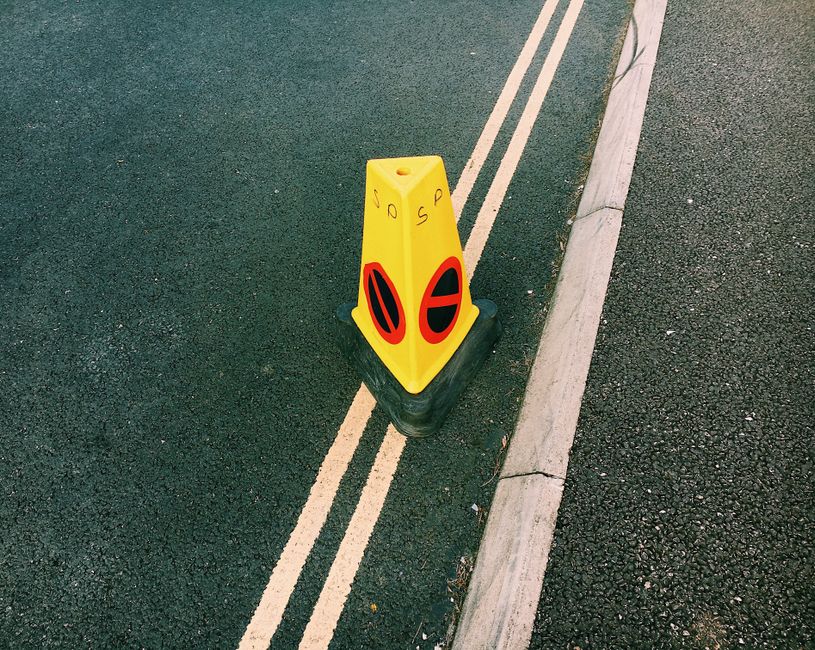
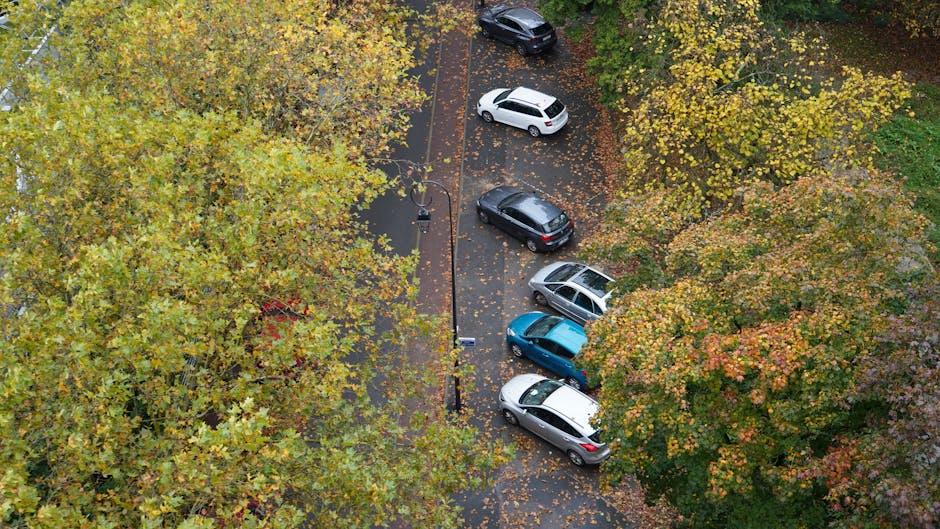
At a practical level, double parking enforcement is about whether a vehicle is positioned in a way that causes obstruction or breaches parking controls. During a move, this can happen if a van stops beside a row of parked cars rather than in a proper bay or clear loading area. Even if the intention is only to unload, the act of stopping in the wrong place can still trigger enforcement.
The tricky bit is that move-day reality is messier than the rulebook. A driver may arrive to find the only nearby space already occupied. A building may have restricted frontage. Or a flat move may involve repeated trips from the van to the front door, which tempts people to leave the vehicle where it is because "we'll only be ten minutes." That's where trouble starts.
In many cases, fines or enforcement action are linked to visible obstruction rather than the reason for stopping. In other words, the fact that you are moving house does not automatically excuse unsafe positioning. Sometimes enforcement is very quick. You step inside with a mattress, return for the next load, and there's already a notice under the wiper. Annoying? Absolutely. Uncommon? Not really.
If your move involves narrow roads, lift delays, or tricky access, it helps to think in terms of flow. Can the van stop, unload, and move on without becoming an obstacle? If the answer is no, you need another plan. That may mean adjusting the arrival time, using a different vehicle size, arranging a permit where appropriate, or staggering the move so the loading window is shorter. For some local routes, access planning matters almost as much as the move itself, especially if you are dealing with routes covered in discussions like van access and removals access in SE16.
Key Benefits and Practical Advantages
Getting parking right is not glamorous, but it makes the entire move feel calmer. Here's why it pays off.
- Fewer unexpected costs: avoiding a penalty notice is the obvious one, but you also reduce the risk of extra labour time caused by poor access.
- Faster loading and unloading: a properly positioned van shortens the carry distance and keeps everything moving.
- Less physical strain: when items don't need to be carried half the street, the job is safer for everyone involved.
- Better neighbour relations: no one enjoys being trapped behind a van with the engine ticking away. A tidy, careful approach goes a long way.
- Less damage risk: shorter carries usually mean fewer bumps, fewer scrapes, and less chance of a dropped box at the kerb.
There is also a psychological benefit, oddly enough. When parking is sorted, the move feels under control. You can focus on the real job: getting the furniture out, protecting the awkward items, and staying on schedule. That calm feeling matters. It sounds a bit soft, but in the middle of a stressful move, little things count more than people expect.
It can also influence the choice of service. For example, if you are comparing moving approaches, a well-organised team using the right van and planning the approach carefully will usually look very different from a rushed last-minute booking. That's one reason people read around topics such as avoiding hidden charges in Rotherhithe removals before they commit.
Who This Is For and When It Makes Sense
This isn't just for large family house moves. The risk of double parking fines affects a wide range of situations:
- flat moves where the road is narrow or busy
- student moves with awkward shared access
- office relocations where deliveries and staff traffic overlap
- same-day moves that leave less time to plan parking
- furniture-only moves involving bulky items and repeated van stops
- short-distance local moves where people assume access will be easy, but it isn't
It makes the most sense to think about parking risk whenever the van will need to wait, even briefly. If you're moving from a top-floor flat, carrying a bed base, or handling something awkward like a piano, the loading window stretches. That increases the chance of someone taking a shortcut with parking, and shortcuts tend to cost more than people think. For heavier and more delicate items, it also helps to consider specialist support such as professional piano moving guidance or carefully planned bed and mattress moving tips.
If your move is small, you may be tempted to treat parking as a minor detail. Honestly, that is where people get caught out. Small move, same rules. Sometimes even tighter ones, because there's a temptation to squeeze into a space that is clearly not meant for unloading.
Step-by-Step Guidance
Here is a simple process that helps reduce the chance of a fine or a stressed-out loading session.
- Check the access route first. Look at the street, the width, the usual traffic flow, and whether there is a sensible stopping point near the property.
- Assess the type of move. A one-room move and a full house move have very different loading patterns. Be realistic about timing.
- Identify where the van can legally wait. If there is a proper loading bay, use it correctly. If there isn't, think about alternatives before moving day.
- Reduce the amount you need to move. The less you transport, the shorter the stop. Decluttering before the move can make a big difference, and yes, people do notice the time saved. If you want a structured approach, see how to declutter before your big move.
- Pre-pack and stage items near the exit. Boxes ready by the door, fragile items wrapped, and furniture disassembled where possible. That one step can cut loading time in half.
- Keep the path clear. Hallway clutter slows everything. It also creates awkward pauses where the van is left waiting longer than planned.
- Assign one person to watch timing. A move has enough moving parts. Someone should be focused on the clock and the vehicle, not just the boxes.
- Have a fallback plan. If the closest legal space is taken, know where the driver should go next. Don't improvise under pressure.
One small practical note: the most dangerous moment is often not the loading itself, but the pause before loading begins. That's when everybody thinks the van is "only there for a second." It's rarely only a second. It never is.
Expert Tips for Better Results
A few move-day habits consistently reduce parking stress.
1. Book the right vehicle size. A van that is too small often means more trips and more stop-start parking pressure. Too large, and you may struggle with manoeuvring in tighter streets. There is a sweet spot, and it depends on the property, not just the volume of items.
2. Time the arrival carefully. Early mornings can be quieter, but that does not automatically mean easier parking. In some streets, parked cars are already out by then; in others, residents have not yet moved their vehicles. Make the timing work for the road, not your ideal schedule.
3. Protect the vehicle-to-property path. A clear path keeps loading efficient and avoids repeated detours. This matters more than people realise when you're carrying something bulky and slightly awkward, like a sofa that does not want to turn the corner.
4. Use handling methods that reduce delays. Good lifting technique speeds things up because it avoids stoppages. If someone strains their back or drops a corner of a cabinet, the whole rhythm falls apart. That's why useful moving knowledge like kinetic lifting principles and solo techniques for lifting heavy objects can genuinely help.
5. Think about what you are not moving. Taking fewer things means less roadside time. Old furniture, broken items, and excess boxes are worth removing before the move. A lot of people pair move planning with bulky waste removal options so they don't drag unused items into the next home.
6. Don't ignore the awkward items. Sofas, beds, antique cabinets, and pianos all change the pace of the move. Planning around them reduces the chance of a rushed parking decision. If you're moving something valuable, even a little extra preparation can pay off, as seen in guides like moving antique furniture without damage.
Common Mistakes to Avoid
Most parking problems during moves come from a handful of predictable errors. The good news is that they are avoidable.
- Assuming the driver can "just stop for a moment." If the stop is not legal or practical, it still carries risk.
- Not checking access before the move begins. You don't want the first time you notice the issue to be when the van arrives.
- Leaving the van unattended while loading is underway. That's a classic way to turn a small issue into a bigger one.
- Underestimating how long move-out tasks take. Packing, wrapping, stair carries, and final checks all add up.
- Ignoring permit or local parking considerations. Sometimes people focus on the house itself and forget the road outside.
- Trying to save a few minutes by parking badly. It usually costs more than the time saved. Bit of a false economy, really.
Another common mistake is not matching the move plan to the property type. Flat moves, office moves, and full house relocations each create different loading demands. If you're moving from a compact apartment, a useful reminder is that flat removals in Rotherhithe often need a tighter parking strategy than people expect.
And if the move has to happen quickly, do not let speed become guesswork. A rushed same-day move can still be organised, but only if the parking and access side is handled early. Otherwise you're just running uphill in work shoes.
Tools, Resources and Recommendations
You do not need a complicated toolkit, but a few sensible items help keep the moving day efficient and less chaotic.
- Printed move plan: a simple page with arrival time, property details, key contact numbers, and loading order.
- Labels and markers: they help speed up unloading, which shortens the time the van is parked outside.
- Blankets, straps, and trolley equipment: used properly, they reduce delays and damage.
- Pre-packed essentials bag: so nobody is hunting for keys, paperwork, or phone chargers while the van waits.
- Access notes: stair counts, lift details, entry instructions, and anything that could slow the route from property to van.
It also helps to choose moving support that understands local conditions. For example, if you're comparing providers or trying to understand service scope, reading a clear services overview can make the decision less fuzzy. If the move is simple but time-sensitive, same-day removals in Rotherhithe may be the practical route, provided parking and access are planned properly.
For people moving into storage between addresses, parking planning still matters. The van may need multiple stops, and that changes the timing. In that case, storage in Rotherhithe can be part of a wider, calmer plan rather than a last-minute scramble.
Law, Compliance, Standards, or Best Practice
This is the part where people often want a hard yes-or-no answer, but real-world parking rules are more nuanced. Local parking enforcement, road markings, loading restrictions, and obstruction rules can all influence what is allowed. In practice, the safest approach is to treat double parking as a risk, not a convenience.
For move planning, the best practice is simple:
- do not assume a short stop is automatically acceptable
- do not block traffic lanes, driveways, or emergency access
- do not rely on verbal permission from a neighbour or passer-by
- do plan loading to fit the lawful space available
- do check whether a permit or alternative arrangement is needed
In many London moves, the most careful teams also keep health and safety front of mind. That means reducing manual handling risks, keeping routes clear, and avoiding rushed carrying. If you are curious about how a professional approach is structured, it can be useful to read a company's health and safety policy and insurance and safety information before booking. A clear policy tells you a lot about how seriously a mover takes the practical side of the job.
Best practice also includes fair communication. If something goes wrong, you should know how complaints are handled and what the service terms are. That might sound dry, but on a messy move day, dry paperwork is what keeps things tidy. You can also check the relevant terms and conditions and complaints procedure if you want a clearer picture before you book.
Options, Methods, or Comparison Table
There are a few common ways people handle parking during a move. Some work well. Some are a bit optimistic.
| Method | Pros | Risks | Best for |
|---|---|---|---|
| Legal loading bay or marked space | Fast, tidy, lower enforcement risk | May be unavailable at busy times | Most standard moves |
| Pre-planned permit or access arrangement | More certainty, less rushing | Requires preparation and coordination | Flat moves, tight streets, larger vans |
| Double parking with a short stop | Convenient in the moment | High risk of fines, obstruction, stress | Usually best avoided |
| Drop-and-return system | Can reduce loading pressure | Needs coordination and a safe waiting place | Moves with good internal staging |
In most cases, the first two methods are the sensible ones. The third is the one people gamble on when they are tired and running behind. The fourth can work well if the furniture is staged properly and the team knows the route. If your move is unusual or has access complications, a broader look at Southwark Council permits for Rotherhithe removals may be useful context.
Case Study or Real-World Example
Here's a very typical Rotherhithe scenario. A couple moves out of a two-bedroom flat on a Friday morning. The road is lined with parked cars, the lift is slow, and the biggest items are a corner sofa, a mattress, and a dining table that has already been taken apart but still feels too big for comfort. The van arrives on time, but there is no empty bay directly outside.
At first, the temptation is obvious: stop beside the parked cars, unload quickly, and hope nobody notices. But the driver checks the route, sees that the best option is to wait a little further along where a lawful stop is possible, and the team splits the job into smaller runs. The sofa goes first, then the lighter boxes, then the table pieces. It takes a little longer. It is not perfect. But no one is dodging a ticket, the street stays passable, and the move ends up feeling controlled rather than frantic.
That kind of decision sounds boring in the moment. It isn't. It is the difference between "we got through it" and "that was a nightmare and somehow cost more than expected." If you're moving from a flat with stairs or lift delays, planning around timing and access is especially important, which is why local guides like Canada Water to Rotherhithe moves with stairs, lifts and costs can be handy background reading.
Practical Checklist
Use this quick checklist before move day. Nothing fancy. Just the stuff that prevents avoidable headaches.
- Confirm the moving date, time, and arrival window.
- Check whether the van can stop legally near the property.
- Review street layout, access points, and possible loading zones.
- Clear hallways and stage boxes close to the exit.
- Disassemble large furniture where possible.
- Protect fragile and valuable items with suitable wrapping.
- Make a plan for awkward items like sofas, beds, or pianos.
- Reduce clutter so fewer trips are needed.
- Keep key documents, keys, and phone numbers in one place.
- Have a backup parking option in case the nearest space is taken.
- Brief everyone involved so nobody makes a last-minute assumption.
And yes, it really helps to do the boring parts early. Boring is good here. Boring means no panic, no guessing, and no one saying, "I thought someone else had sorted the parking."
Get a free quote today and see how much you can save.
Conclusion
Rotherhithe move-day parking is not the flashiest part of a relocation, but it is one of the parts most likely to save you money and stress. Double parking may feel like a quick fix, yet it can become a costly detour if it blocks traffic or draws enforcement attention. The best approach is simple: plan access early, keep loading efficient, and treat parking as part of the move, not an afterthought.
If you get the road-side logistics right, everything else tends to feel easier. The boxes move faster, the furniture comes out with less fuss, and the day has a much better chance of ending with a sigh of relief instead of a parking complaint. That's the goal, really.
Take your time with the plan, trust the practical details, and give yourself one less thing to worry about on the day. A well-handled move has a way of feeling smaller than the effort it took, and that is a good thing.
Frequently Asked Questions
Can you get a fine for double parking during a house move in Rotherhithe?
Yes, you can. The fact that you are moving does not automatically make double parking acceptable. If the vehicle is causing obstruction or breaching parking rules, a fine may be issued.
Is a quick stop outside the property usually allowed?
Not always. A short stop can still be treated as an obstruction if it is in the wrong place. It is safer to use a lawful loading area or plan an alternative stop.
What is the biggest mistake people make on moving day?
They underestimate parking and access. People often focus on boxes and forget the street outside. That's when the trouble starts, usually with the van already loaded and everyone rushing.
How can I reduce the chance of parking problems during a move?
Check access in advance, stage items near the exit, use the right van size, and keep the loading process efficient. A clear plan matters more than people think.
Do flat moves in Rotherhithe need extra parking planning?
Often, yes. Flats can mean lifts, stairs, shared entrances, and tighter road access. That combination makes parking and loading time more sensitive.
Should I book a bigger van to avoid multiple trips?
Sometimes, but only if the street can handle it. A van that is too large can create new problems. The best size is the one that suits both the property and the road.
What should I do if the nearest legal parking space is already occupied?
Have a backup plan before the move starts. Decide where the driver should wait, or whether the move should be staggered until a proper space becomes available.
Are permits worth considering for Rotherhithe removals?
They can be, especially for tighter streets or larger moves. A permit or other access arrangement can provide more certainty and reduce last-minute improvisation.
How does double parking affect the rest of the move?
It usually slows everything down. Once the van is badly positioned, loading takes longer, helpers tire faster, and the whole day becomes more stressful.
What if my move involves large furniture or fragile items?
Then careful planning matters even more. Large and delicate items take longer to handle, which increases parking pressure. Good packing, lifting, and route planning reduce the risk.
Can a professional removal team help with parking issues?
Yes, a good team should help plan around access, timing, vehicle choice, and loading sequence. That doesn't remove all risk, but it usually reduces it significantly.
Is it worth decluttering before the move to help with parking?
Absolutely. Fewer items mean fewer trips and a shorter roadside load time. It is one of the simplest ways to make parking less of a headache.
What should I check before booking a local mover?
Look at service scope, safety standards, payment clarity, and how well they understand the local area. If you want to compare practical options, a page like removal services in Rotherhithe can help you see what is included.
How do I keep the move calm if the road is tight and busy?
Keep the plan simple, keep the team informed, and don't rely on improvisation. A calm move is usually the result of a dozen small decisions made before the van arrives. Funny how that works, really.